Turn Browsers Into Buyers with Smart Toy Impulse Ranges
Toys that drive impulse purchases are often the smallest things in the store, but they can have the biggest impact on basket size. When shoppers are already in a good mood, a smart little add-on at the right spot can quietly lift every sale.
Late February is a key time to get this right. The back-to-school rush is slowing, the weather is still warm, and people are starting to think about Easter, autumn gifts and weekend treats. Big-ticket toys usually get plenty of planning, but the small, fast toys that sit near the counter often feel like an afterthought. That is where a lot of missed margin hides.
When retailers treat impulse toys as a clear range, not just random bits and pieces, the whole store feels more exciting. Shoppers notice something new, kids spot fun pocket money buys, and gift buyers see quick add-ons. As a Brisbane-based team working with gifts, toys and homewares every day, we see how a focused impulse offer can change the energy of a space.
Why Impulse Toy Buying Behaviour Is Different
Impulse buys do not follow the same rules as planned toy purchases. Parents might research a big construction set or licensed doll, compare options and shop around. A small sensory toy at the counter is a completely different decision.
Impulse toy decisions are:
- Fast, often made in a few seconds
- Emotional, not deeply logical
- Driven by in-store cues, not just price
- Triggered by colour, touch, humour and surprise
The psychology behind toys that drive impulse purchases often comes down to simple feelings:
- Curiosity: mystery packs, blind boxes and toys that make people say, “What does this do?”
- Surprise and humour: quirky, silly items that make shoppers smile or laugh
- Collectability: items that feel like part of a set or series
- Stress relief: fidget, sensory and desk toys that offer a little calm
Kids are usually drawn to bright colours, movement and novelty. Teens might be more interested in something that feels on-trend, slightly weird, or shareable on social media. Adults often buy impulse toys as:
- A quick “you’ve been good” treat for kids
- A small gift to add to a main present
- A desk toy or stress reliever for themselves
When you set up toys that drive impulse purchases with these different triggers in mind, each age group can find something that feels “just right” without thinking too hard.
The Hidden Design Cues That Make Toys Irresistible
Not all small toys are equal. Some sit on a hook for months, others fly out as soon as they hit the counter. The difference is often in the tiny design cues that the shopper feels before they even read the packaging.
Visual appeal is the first hook. Toys that drive impulse purchases usually have:
- Bold, contrasty colours that stand out from a distance
- Simple shapes that read clearly and quickly
- Movement, wobble or light that catches the eye
- Clear branding or icons that signal fun in a split second
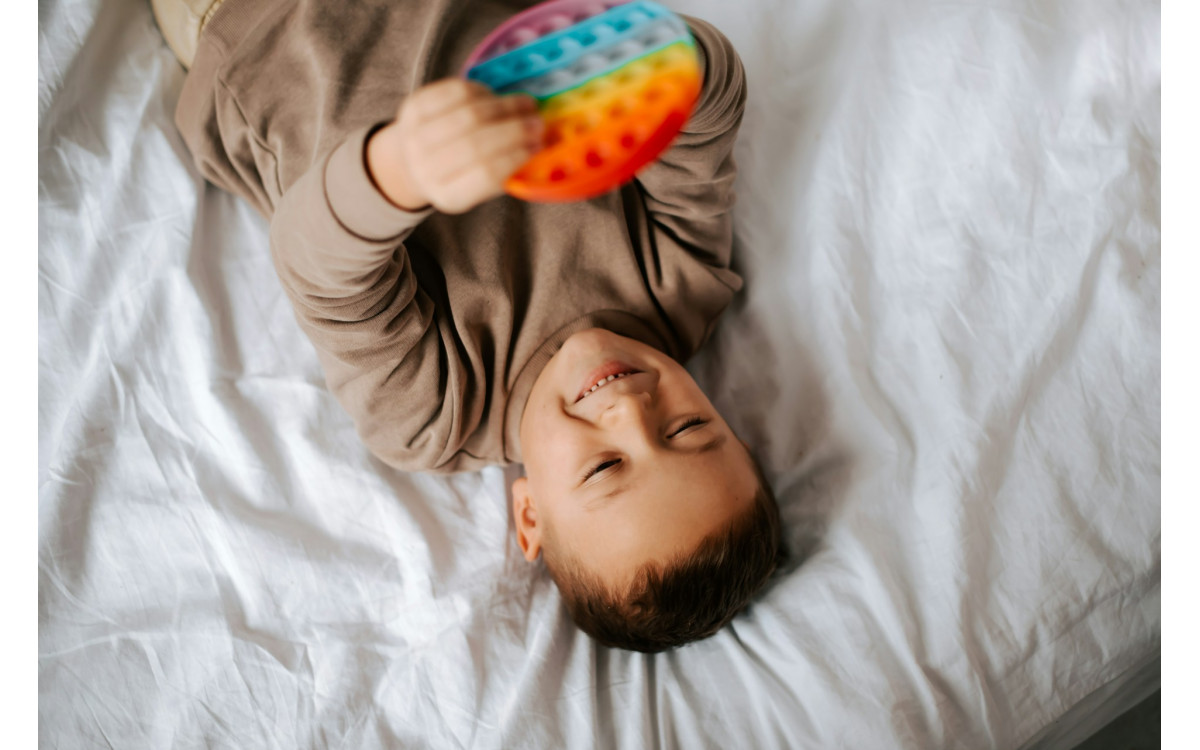
Texture is the next layer. Sensory and fidget trends keep growing because people love toys they can squeeze, stretch, click, pop or twist. Those small actions feel satisfying and are easy to repeat throughout the day. When a shopper picks up a squishy toy and does not want to put it down, that is the power of touch at work.
Packaging, size and price point also need to work together. Strong impulse toys tend to be:
- Small enough to sit near the counter or on narrow shelves
- Easy to hang, stack or bin in “treasure chest” displays
- Clearly priced, so shoppers do not have to ask or guess
In cramped counter and gondola-end spaces, simplicity is key. Big boxes and complicated shapes can make a display feel messy. Compact toys with bold fronts and easy hooks help you show more variety without looking cluttered.
Merchandising Toys That Drive Impulse Purchases
Even the best toy will not sell if no one sees it. Smart placement turns toys that drive impulse purchases into constant quiet earners.
Some strong placement spots include:
- Counters and beside EFTPOS terminals
- Queue rails where people wait to pay
- Gondola ends that face main walkways
- Low “treasure tables” within kids’ reach
- Kids’ eye-level zones in gift and toy sections
The way you fill those zones matters too. Abundance creates excitement. A single lonely toy looks like leftover stock. A full bin of colourful sensory toys looks like a discovery. Tiered heights using risers or stepped stands help more products show at once and draw the eye up and down.
Clear segmentation also makes shopping easier. You might group:
- An under-$10 zone for quick kid treats
- A sensory and fidget corner for stress relief
- A novelty gift cluster for grown-up laughs
As we move into late summer and the Easter lead-up, colour stories and themes can give your impulse displays a simple refresh. Think soft pastels, playful characters and cute desk toys that feel “gifty” but still affordable. Rotating a few items every couple of weeks keeps regulars noticing something new, even if the core range stays similar.
Stock Smarter: Curating a High-Performing Impulse Toy Mix
A strong impulse toy range works like a balanced shelf, not a random lucky dip. When you plan it out, you can support different shopper needs and price points.
A simple mix might include:
- Low-price fillers: pocket money toys, small fidgets and mini novelties
- Mid-range novelty: light-up items, themed sets and larger sensory toys
- Seasonal hero pieces: Easter-themed items, autumn colours, limited-time characters
- Collectable series: items that encourage repeat visits to “get the next one”
Rotation is a quiet but powerful tool. When items feel permanent, shoppers think, “I’ll grab that next time.” When the mix changes regularly or you add limited editions, it adds gentle urgency. People learn that if they like something, it might not be there next week.
Working with a specialist wholesaler can also make this easier. A partner that focuses on gifts, toys and homewares, and works closely with global brands and custom products, can help you:
- Spot new trends early
- Keep stock flowing without long gaps
- Match products to your store type and customer mix
For Australian retailers, it is also helpful to work with a local team that understands our seasons, school holiday timing and how people shop when the weather is warm or cooling down.
Level Up Your Impulse Toy Sales Before the Next Rush
Many stores have more potential sitting at the counter than they realise. The most common gaps we see are underused counter space, a weak or missing sensory offer and very little seasonal novelty among the toys that drive impulse purchases.
A quick action list can help before the next Easter and school holiday rush:
- Stand at your counter and look with fresh eyes: what do shoppers actually see?
- Check if you have clear options for kids, teens and adults, not just one group
- Note any missing zones, like sensory toys, novelty gifts or collectables
- Refresh colour stories and add a couple of seasonal hero items
- Plan a simple rotation schedule so something small changes every few weeks
When impulse toys are treated as a planned, creative part of your store, they stop being random fillers and start becoming quiet sales drivers. As a Brisbane-based wholesale partner, at MDI Australia we work with retailers across gifts, toys and homewares to build ranges that feel fun, on-trend and easy to sell. With the right mix, design cues and merchandising, every customer interaction can turn from a quick browse into a bigger, happier basket.
Boost Your Retail Sales With Proven High-Impact Toys
Ready to turn more casual browsers into paying customers at the checkout? At MDI Australia, we curate toys that drive impulse purchases so you can lift basket value without crowding your shelves. Our team can help you choose products that suit your store layout, price point and customers’ buying habits. Get in touch today and let us help you create an impulse range that delivers consistent, measurable results.