Turn Quick Glances Into Basket Add-Ons
Fidget toys are small, simple and surprisingly powerful for retail. When they are displayed well, they turn quick glances from kids into easy yes decisions for parents. That means more items in the basket without slowing down the checkout line.
The key is placement. When fidget toys sit near counters, in kids’ aisles or along busy paths, they catch wandering eyes. Children see them, touch them, then start asking. Because the items feel fun and low risk, parents often agree, especially if the price feels comfortable and the toy seems like it will keep kids busy.
Fidget toys have also grown into a collectable habit for many kids. They want the next colour, shape or character, not just one. This makes them perfect for impulse decisions. As a Brisbane-based specialist in gifts, toys and homewares, we work every day on display-ready fidget toy ranges that are designed to suit how Australian families actually shop.
Why Fidget Toys Are Perfect for Impulse Buys
Fidget toys sit in a sweet spot. They are small, tactile and made to be played with in the hand. Kids can quickly test how they feel, which makes the item more tempting and real. That hands-on moment is where many impulse buys start.
They also tick a lot of boxes for parents. Many adults see them as simple tools that help kids:
- Wait quietly in queues
- Sit still on long car trips
- Stay calm in busy places
- Focus during homework or quiet time
When the price feels friendly and the benefit is clear, parents have a simple reason to say yes at the last second.
Seasonal habits matter too. Late summer often brings:
- Back-to-school lists and fresh routines
- Long drives to visit family or head back from holidays
- Hot afternoons where kids get a bit restless
During these times, parents are already looking for ways to keep kids occupied and calm. A pocket-sized toy at the checkout can feel like a smart, practical extra rather than a random treat.
Designing Fidget Toy Displays That Kids Cannot Ignore
For fidget toys to really work, the display has to speak to kids first, not just adults. That means thinking about colour, height and touch.
Start with colour blocking. Group bright neons together, soft pastels together and themed designs in clear zones. This makes the display easy to read from a distance. It also helps kids say things like, “I like the rainbow ones,” which speeds up the decision.
Display tips that draw kids in:
- Keep key products at kids’ eye level, not only at adult chest height
- Use simple, bold signage with just a few words
- Make the display feel full, but not messy
Interaction is the next step. Fidget toys are all about feel, so let kids try them:
- Use open trays they can reach into
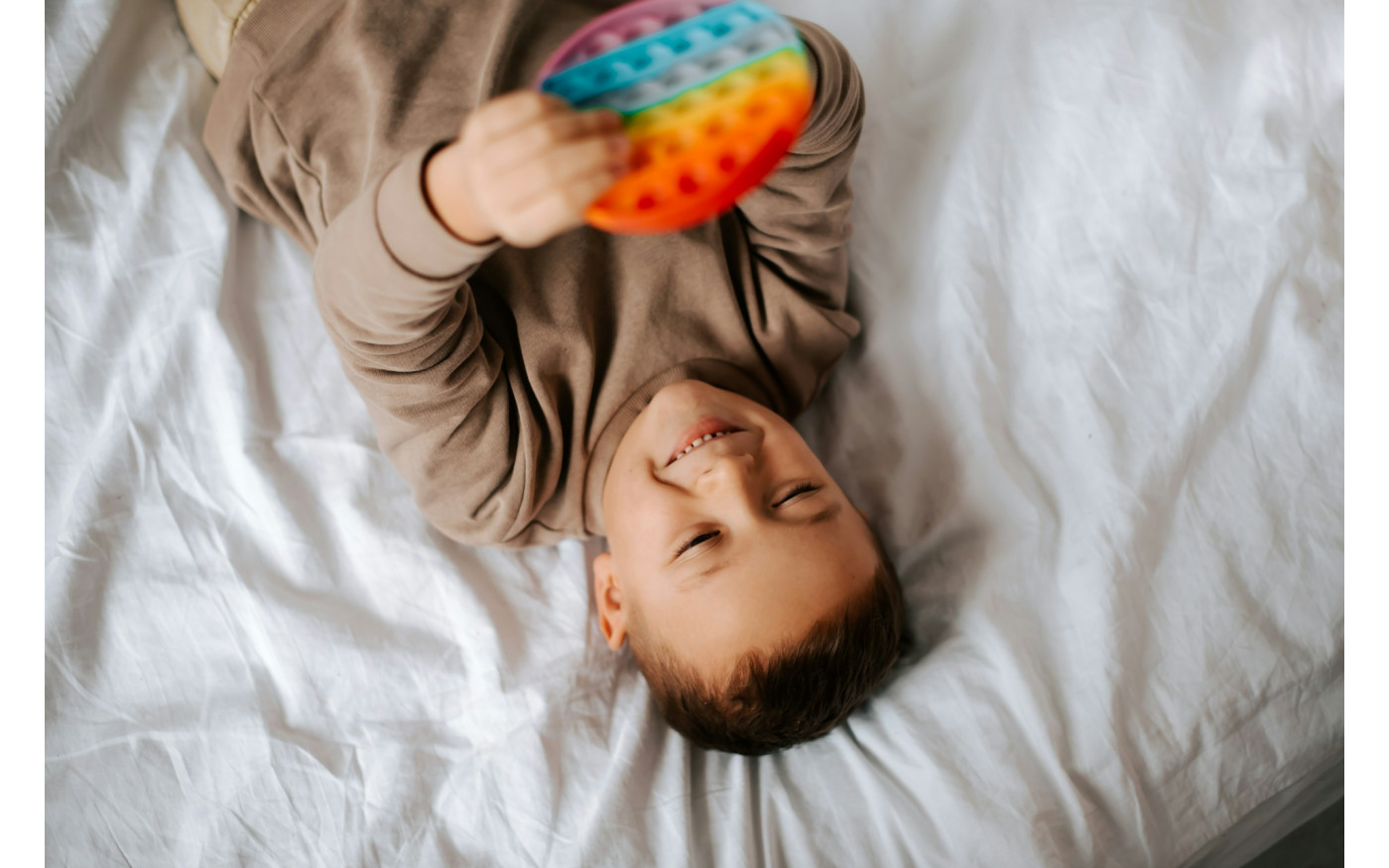
- Add a “try me” sample for squishy or Pop-It styles
- Show clear, visible pricing so parents do not have to ask
Themes keep things fun. Group toys by:
- Colour stories like neon, pastel or galaxy
- Shapes like animals, food or sports
- Popular characters or licensed designs when you have them
Rotate the mix often. Regular shoppers notice when the display changes, which keeps the area feeling new and gives kids fresh reasons to ask for “just one more”.
Strategic Placement to Capture Maximum Foot Traffic
Where you put fidget toys can matter more than how many you stock. Some spots almost always perform well because people are waiting, pausing or already in a buying mindset.
High-impact locations include:
- Front counter and main checkout
- Queue rails and self-checkout stations
- Kids apparel and footwear zones
- Party, gifting and celebration sections
Think about the natural flow in your store. Anywhere parents are standing still with kids is a chance to show fidget toys.
Placement can also shift with the seasons:
- Back-to-school: near lunchboxes, drink bottles and stationery
- Easter and autumn: by travel pillows, snacks and car accessories
- School holidays: close to games, books and family activity zones
If you do not want to reset a full aisle, use smart add-on fixtures:
- Small countertop spinners
- Clip strips on the side of existing shelves
- Power wings on the ends of high-traffic bays
These options tuck fidget toys into your current layout without a big reset, while still putting them where the most people walk by.
Curating the Right Mix of Fidget Toys for Retail Displays
A strong fidget display is not just a random pile of toys. It needs a clear mix that feels both familiar and exciting.
Start with core best-sellers that most kids recognise, such as:
- Pop-Its and bubble-style toys
- Squishy stress toys
- Simple spinners or clickers
Then layer in trend-led novelties. These might be scented versions, glow-in-the-dark styles, unusual textures or limited colours. This mix speaks to both first-time buyers and kids who collect.
Price structure also matters. A clear good-better-best spread helps:
- Entry-level items at a comfortable “yes” point for quick grabs
- Mid-range pieces that feel a bit more special
- A small number of “premium” items for trade-up
When parents see clear choices, they can set a quick boundary like, “pick one from this row,” which still leads to a sale. Working with a specialist supplier means you can access fresh designs, branded collections and seasonal edits that help your store stand out instead of blending in.
Measure, Optimise and Refresh for Ongoing Sales Lift
To keep fidget toys earning their space, it helps to measure how they perform. This does not need to be complex. Simple checks can show what is working.
Useful measures include:
- Units sold per week per display
- Average basket size before and after adding fidget toys
- Comparing tills with and without a fidget display nearby
Once you have a sense of the numbers, try A/B testing. For example, you might run one style of fidget display at the front counter and a different layout on a queue rail. After a short period, see which sells more, then copy that winning style into other stores or locations.
A refresh calendar keeps the area from going stale. A quarterly rhythm works well for many retailers, tied to:
- The start of school terms
- Holiday breaks and long weekends
- Mid-year gifting and celebration moments
Each refresh is a chance to bring in new colours, themes and formats, while still keeping a few proven favourites. As a developer and wholesale distributor, MDI Australia regularly rolls out new fidget ranges and display options so retailers can keep that “must grab” feeling alive for kids and parents alike.
Boost Impulse Sales With Proven Fidget Toy Displays
Ready to refresh your shelves with engaging, high-margin products that customers can’t help picking up? At MDI Australia, we curate a broad range of fidget toys for retail displays that are designed to stand out, invite interaction and turn browsers into buyers. Explore our latest range today and stock up with confidence, knowing you are choosing reliable, retail-ready products backed by our local support.
Tags: