Turn Kids’ Browsing Into Basket‑Boosting Moments
Checkout time used to be the only place for kids’ impulse buys. A messy tray of lollies, a bowl of tiny toys, and a quick grab on the way out. Now parents are busier, trips are shorter, and that last‑second scramble at the counter often just adds stress. When we spread kids’ discovery moments through the whole store, we can lift basket value without slowing anyone down.
That is where checkout‑free impulse zones come in. Endcaps, queue lines, and clever mid‑floor displays give kids something fun to notice earlier, while parents keep moving. The most effective impulse-buy toy stores for kids plan these spots with care, using age‑appropriate, seasonal, and themed ranges that feel fresh and easy to say yes to.
Rethinking Impulse Zones Beyond the Cash Wrap
Checkout-free impulse zones are any planned areas away from the counter that prompt a small, low‑risk purchase. Instead of one big push at the till, we scatter gentle prompts along the path. Kids see them, touch them, talk about them, then by the time they reach checkout, parents have already agreed.
Parents and children move very differently through a store. Adults scan at eye level and look ahead to the next task. Kids look low, look close, and are drawn to colour and movement. When we design for those child-height sightlines, we make it easy for kids to discover:
- Pegboard panels with products starting around knee to chest height for young kids
- Bins and trays set back from corners, so there are no trip hazards
- Clear visual cues that it is okay to touch, like open baskets and simple signage
Old-style counter chaos can feel stressful: too much product, too many signs, no clear story. By contrast, a curated micro‑moment feels calm and thoughtful. One clear theme, a tight colour palette, and space around products tell parents this is a considered range, not clutter. That supports a more premium feel, even if items are low price.
Designing Endcaps That Kids Notice and Parents Trust
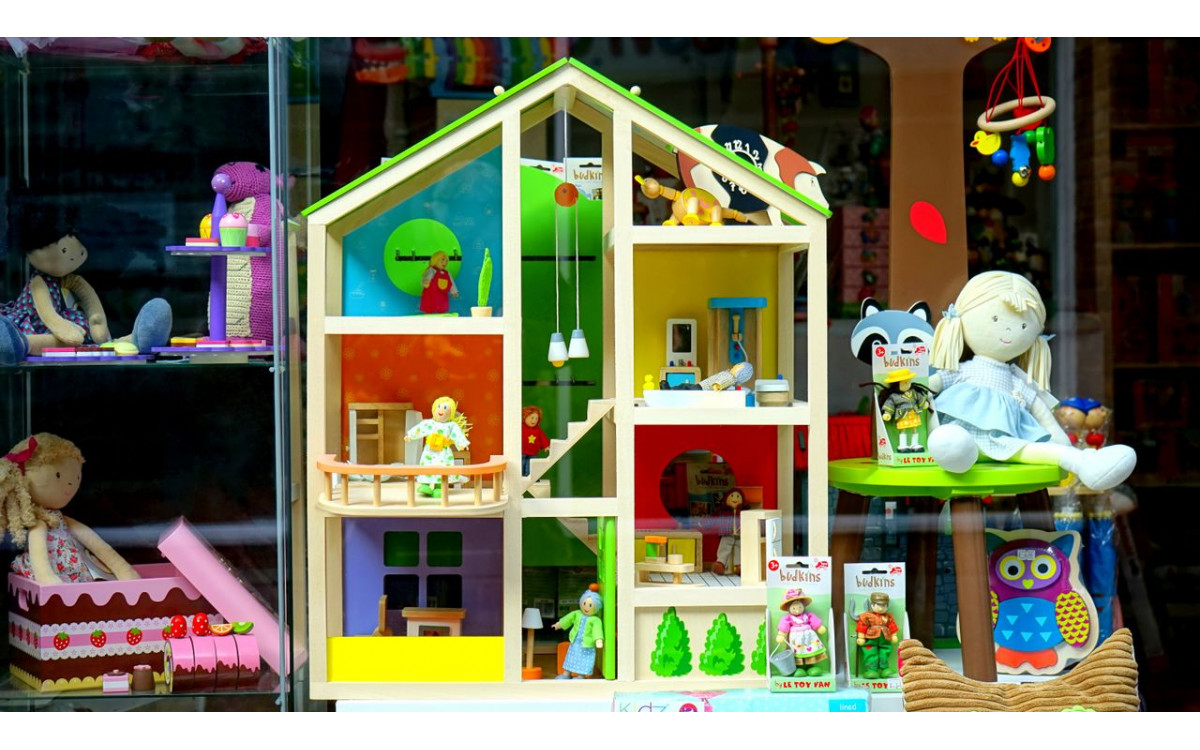
Endcaps are some of the best spots in impulse-buy toy stores for kids. They catch traffic from both directions, create a natural pause, and can be changed quickly around seasons and school terms. When we design them with kids in mind, they work even harder.
Think of each endcap as a mini story, not a dumping ground. Strong layout tactics include:
- Kid‑friendly height blocks, with the key products between child eye and adult hip level
- One simple product family per endcap, like bath toys, pocket games, or creative kits
- Clear price points, using small, tidy signs instead of big shouty tags
- Stock in front, backup stock behind, so staff can restock fast without a full reset
Trust is just as important as fun. Parents want to feel safe in busy aisles. Endcaps should have sturdy fixtures that do not wobble when a child leans in. Age‑appropriate labels should be easy to read, so parents can decide quickly. Keep anything with small parts or choking hazards above toddler reach, placing softer or bigger items down low. When parents feel you have thought about safety, they relax, and are more open to a small treat.
Queue Lines and Power Aisles That Feel Fun, Not Frantic
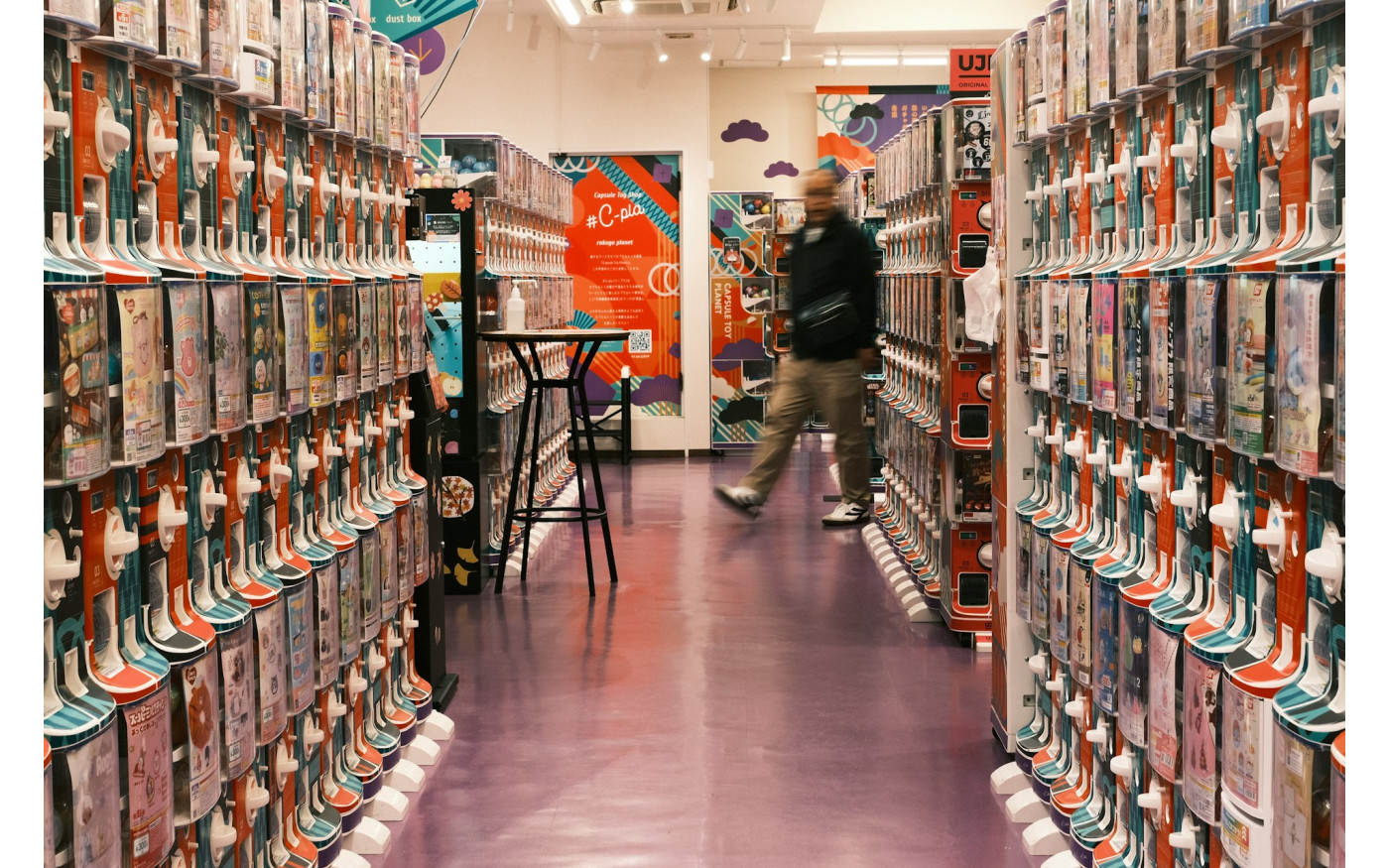
Queue lines can either feel like wasted time or like a mini discovery path. With narrow but vertical fixtures, we can turn that wait into a calm, playful zone. Kids get something fun to look at and touch, parents feel the line is moving, and staff are less rushed by restless children.
Good queue design focuses on movement:
- Slimline shelves or spinners that sit comfortably inside the queue, not spilling into walkways
- Angled entry points that guide shoppers in without sharp turns
- Clear sightlines to the service area, so the queue feels shorter and more open
Product mix matters too. A queue line works best as a blend of:
- Quick‑win pocket money toys that kids can decide on fast
- Last‑minute gift toppers like keyrings or small plush
- Seasonal ranges that rotate with school holidays, Easter, and warm‑weather weekends
This is where flexible novelty and toy ranges really shine. You can cycle through different themes across the year, keeping the queue interesting without needing a full refit each time.
Smart Store Placement Strategies for Year‑Round Uplift
When we map the whole store, impulse zones become part of a clear path, not random clutter. The aim is to give kids a sense of discovery from entry to exit, while parents still get what they need quickly.
A simple layout plan might include:
- Front‑of‑store wow: a bright kid‑focused table or endcap with new or seasonal items
- Mid‑store reward: a small display near kids’ categories, like clothing, books, or school gear
- Back‑of‑store surprise: a tidy unit near essentials like milk or cleaning products, so there is a fun pause before heading to checkout
We do not want every corner begging for attention. One hero kid zone plus two or three smaller prompts is usually enough. That gives families fun moments without overwhelming them.
Seasonal planning is especially helpful around March in Australia. Weather is still warm in many places, but routines shift as school terms settle back in. It is a smart time to highlight:
- Easter-themed novelties that feel like easy treat add‑ons
- Outdoor and weekend toys that suit late‑summer afternoons
- Party‑friendly items for birthdays and school friend catch‑ups
By tying impulse zones to real family rhythms, those little extras feel natural, not forced.
Curating the Right Mix Beyond Fidgets and Trend‑Only Buys
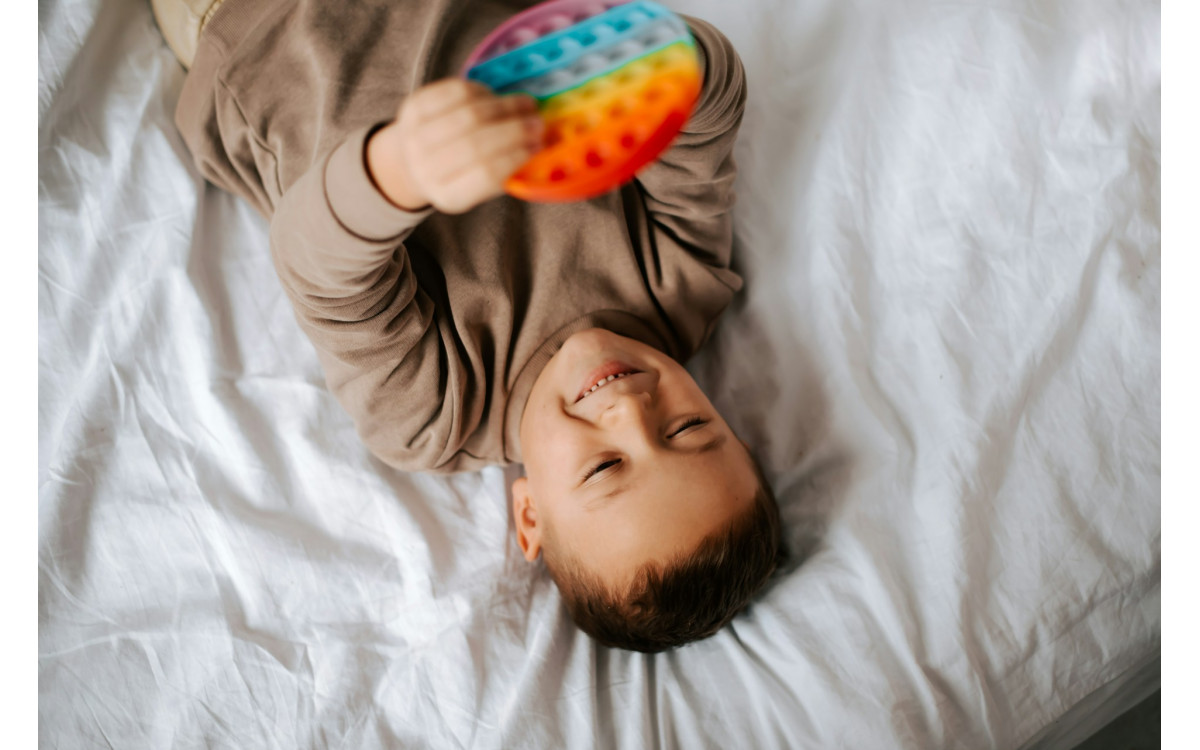
Fidget toys had their moment, and they still have a place, but building a whole impulse strategy around a single trend is risky. Kids’ tastes change quickly. A stronger approach is a balanced mix that covers different ages, senses, and uses.
Think in simple layers:
- Tactile toys like squishy items or soft plush
- Pocket puzzles or mini games for quiet play
- Licensed novelties in moderation, for quick recognition
- Small decor, stationery, or desk items for older kids and tweens
Assortment planning should feel clear, both for staff and for shoppers. Good‑better‑best price tiers keep choices simple. Group items by age brackets, so adults can see at a glance what suits preschoolers versus older kids. Choose products that can be both self‑treats and top‑up gifts, so they work across more occasions.
Having a strong wholesale partner helps keep those ranges fresh without filling your stockroom. As a Brisbane‑based developer and wholesale distributor of novelty gifts, toys and homewares, we at MDI Australia focus on products that perform in modern retail layouts. We source, tailor, and create ranges that fit neatly into endcaps, queue lines, and mid‑floor displays, so you can rotate themes with confidence and avoid overstocking.
Turn Your Store Into a Kid‑Approved Discovery Trail
Thoughtfully planned checkout-free impulse zones can change how families feel in your store. Kids get fun, low‑stress moments of choice. Parents keep moving without constant pushback at the counter. Average baskets grow through small, happy add‑ons instead of hard sells.
A simple starting plan is to audit your current impulse areas, choose one endcap and one queue line to redesign, then map out seasonal refresh points around school terms and key holidays. From there you can layer in mid‑store reward spots and front‑of‑store wow displays, turning everyday visits into easy discovery trails for kids.
Boost Your Retail Sales With Proven Kid-Focused Impulse Buys
If you are looking to refresh your product mix and attract more families at the checkout, we can help you stock standout items that kids love to grab on the spot. At MDI Australia, we specialise in sourcing and supplying curated ranges tailored for impulse-buy toy stores for kids. Our team works closely with retailers of all sizes to match products to your space, budget and customer base. Talk with us today about bringing in new lines that lift basket size without complicating your store operations.